Latest news
Updates
Stay on top of the latest trends, news, and insights for your industry.
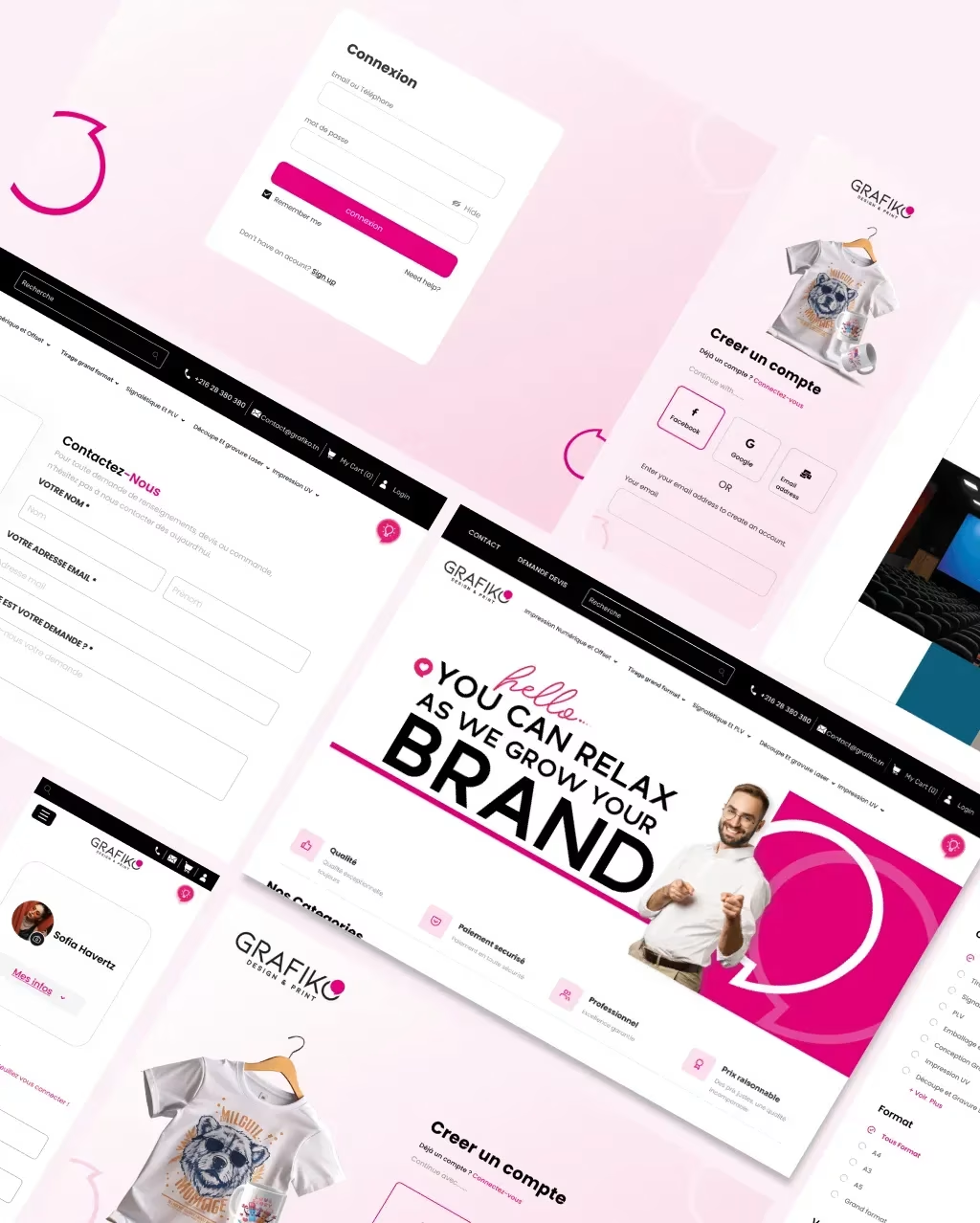
From wireframe to handoff: our UI/UX design process
Good interface design looks inevitable after the fact — as if the screens could not have been any other way. Getting there is a process, not a leap. Here is the one we use, from first workshop to final handoff.
1. Discovery before pixels
We start with the boring questions that save months: who uses this, on which device, to do what, and what must they never have to think about? The answers become the journeys every later screen has to serve.
2. Wireframes, then a design system
Wireframes settle structure while change is still cheap. Once the structure holds, we build the design system — typography, color, spacing, components — so every screen speaks the same language. It is the difference between a page that looks designed and a product that feels designed.
3. Prototype, test, hand off
A clickable prototype catches what static mockups hide: awkward flows, dead ends, labels that only make sense to us. After real clicks and fixes, developers receive a system — not a pile of pictures — which is how projects like Grafiko go from concept to a coherent, buildable interface. Want the same process on your product? That conversation is the first step.
Aftercode Team
10.11.2026From wireframe to handoff: our UI/UX design process
Good interface design looks inevitable after the fact — as if the screens could not have been any other way. Getting there is a process, not a leap. Here is the one we use, from first workshop to final handoff.
1. Discovery before pixels
We start with the boring questions that save months: who uses this, on which device, to do what, and what must they never have to think about? The answers become the journeys every later screen has to serve.
2. Wireframes, then a design system
Wireframes settle structure while change is still cheap. Once the structure holds, we build the design system — typography, color, spacing, components — so every screen speaks the same language. It is the difference between a page that looks designed and a product that feels designed.
3. Prototype, test, hand off
A clickable prototype catches what static mockups hide: awkward flows, dead ends, labels that only make sense to us. After real clicks and fixes, developers receive a system — not a pile of pictures — which is how projects like Grafiko go from concept to a coherent, buildable interface. Want the same process on your product? That conversation is the first step.
Aftercode Team
10.11.2026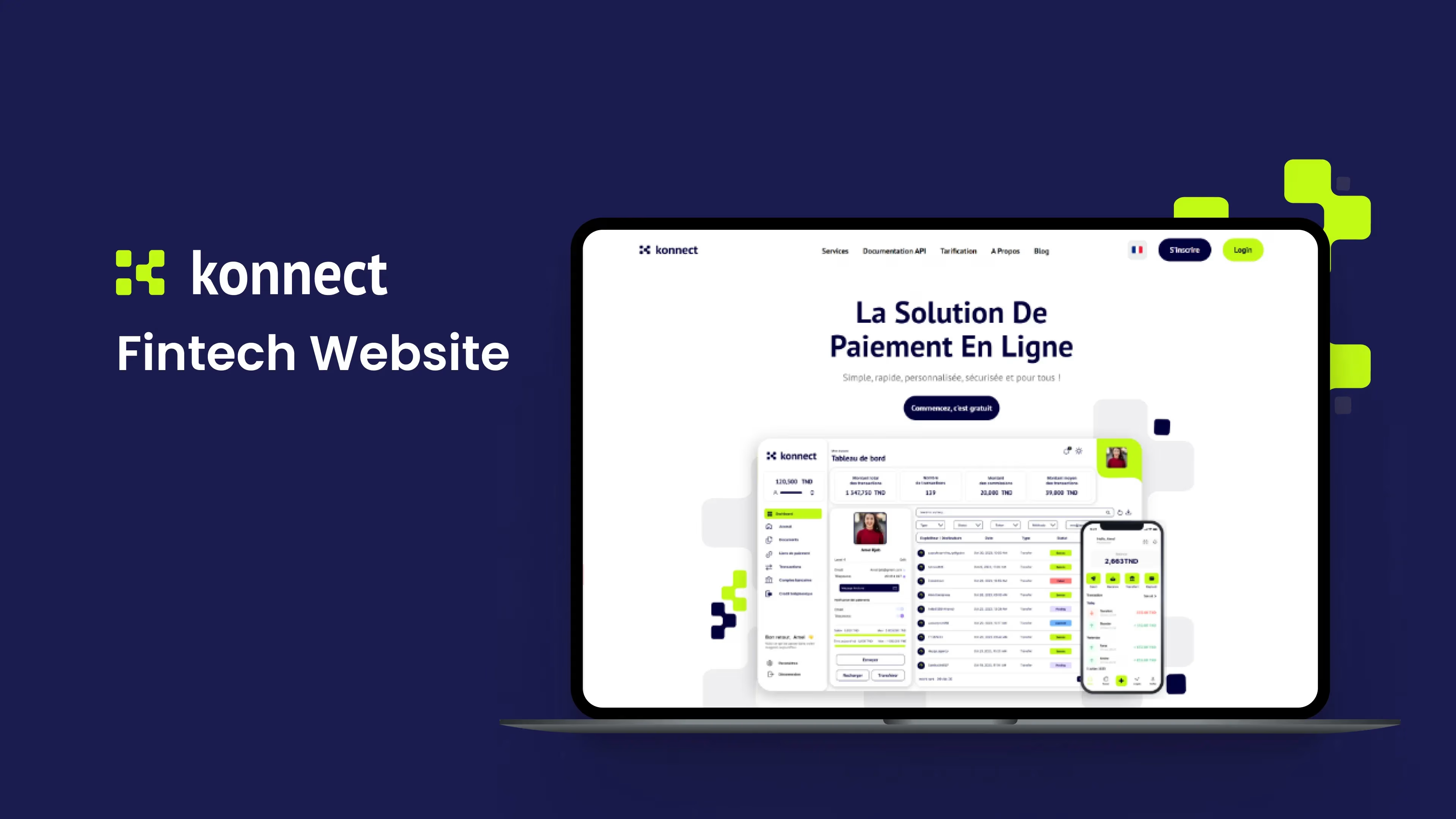
Behind the build: the Konnect website
Every project teaches us something. The Konnect website taught us how much clarity matters when a technical product has to speak to everyone — visitors, partners, and search engines alike. Here is how we approached it, step by step.
The brief
Konnect needed a public website that could present its platform simply: who it serves, what it does, and how to get started. The site had to load fast, work flawlessly on mobile, and stay easy for the team to evolve after launch.
Our approach
We started with discovery: mapping the pages, the messages, and the conversion paths before touching a pixel. From there, a lightweight design system kept every screen consistent, and the build focused on what a marketing site actually needs — clean semantics, server-rendered content, and images tuned for real networks.
What shipped
A responsive, multilingual marketing site with a clear page hierarchy, proper metadata on every route, and a content structure the Konnect team can grow without a developer in the loop. You can see the result on our work page — and talk to us if you want the same treatment for your product.
Building a website is easy to promise and hard to do well. If you are planning one, start with the content and the journeys — the pixels get easier from there.
Aftercode Team
10.11.2026
When spreadsheets stop scaling: a pragmatic look at custom ERP/CRM
Every growing company hits the same wall: the spreadsheets that carried the first years start deciding how fast you can move. Here is how we think about replacing them with a system that fits the business — not the other way around.
The signals
The same data lives in five files nobody trusts. Reporting takes days of copying. Two people can sell the same stock because nobody sees the same numbers. None of these are tooling problems on their own — together, they are a sign the business has outgrown its tools.
What a custom system changes
A well-scoped ERP or CRM does three things: it gives every team one source of truth, it automates the handoffs that eat your week, and it makes reporting a query instead of a project. Off-the-shelf tools can do this — when their shape matches yours. When it does not, custom pays for itself in the workflows you stop fighting.
How we build them
We have shipped this class of product — from Direx to HR platforms like Jumpark RH — and the pattern holds: map the real workflows first, build the smallest system that removes the worst friction, then grow it with the people who use it daily. If you are weighing a first custom ERP/CRM, talk to us before you commit to a shape.
Aftercode Team
10.11.2026Start Your Digital Journey Now